Why Hackers Target the Healthcare Industry and How to Stay Protected
 Ben Opit
Business Transformation Lead - MS Biz App and AI • Nov 12, 2025 • 5 min read
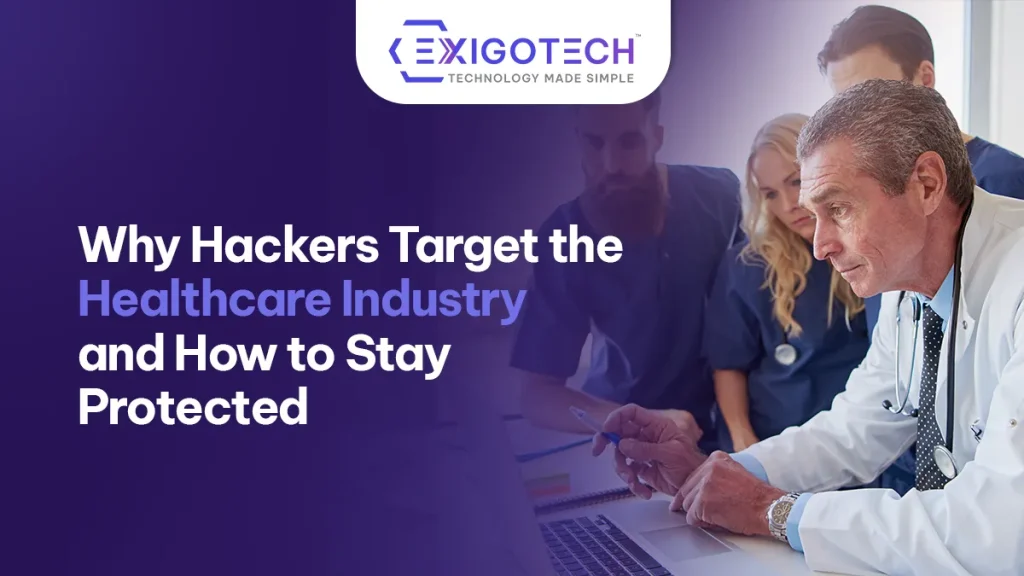
Imagine a hospital emergency room buzzing with activity. Suddenly, systems crash, patient records vanish, and critical equipment stops functioning. Lives hang in the balance, not because of a medical error, but because of a cyberattack.
This is the harsh reality for healthcare organisations today. Hackers have turned hospitals and clinics into prime targets, exploiting vulnerabilities for profit. But why is healthcare the target? And what can organisations do to defend themselves?
How to Secure Microsoft Copilot Agents with Microsoft 365 E5
Why Healthcare Data Is So Valuable
Healthcare data is a goldmine for cybercriminals. Unlike credit card numbers, medical records can’t be easily changed. They contain personal identifiers, insurance details, and sometimes financial information, making them perfect for identity theft, insurance fraud, and even blackmail.
On the dark web, a single medical record can fetch hundreds of dollars, far more than stolen financial data. That’s why, for hackers, this isn’t just information; it’s a gold mine.
Why Hackers Target Healthcare
Hackers know one thing: healthcare can’t afford downtime. Hospitals operate in life-or-death situations, so when ransomware locks critical systems, organisations often pay the ransom to restore operations quickly.
Combine this urgency with outdated IT systems, tight budgets, and the rapid adoption of telemedicine and IoT devices, and you have an industry full of weak points. Cybercriminals exploit these gaps relentlessly.
How Hackers Break In
Cyberattacks aren’t random; they are calculated. Here’s how hackers infiltrate healthcare systems:
- Phishing Emails: Phishing remains the most common entry point. Attackers send convincing emails that mimic internal communications or trusted vendors. One click on a malicious link can install malware or steal login credentials, giving hackers unrestricted access.
- Unpatched Software: Legacy systems are a hacker’s dream. Many healthcare organisations run outdated software with known vulnerabilities. When patches aren’t applied promptly, attackers exploit these gaps to deploy ransomware or steal sensitive data.
- Compromised IoT Devices: Multiple connected medical devices expand the attack surface. These devices often lack strong authentication and encryption, making them easy targets for hackers who use them as gateways into the network.
- Insider Threats: Not all breaches come from outside. Employees, whether careless or malicious, pose a significant risk. A misplaced laptop, weak password, or intentional leak can expose thousands of patient records.
Agentic AI for Operations Leaders: Turning AI into Action
How to Stay Protected
Cybersecurity in healthcare isn’t just about installing antivirus software; it’s about building a culture of security and implementing layered defences. Here’s how organisations should safeguard their systems and patient data:
- Conduct Regular Security Audits
Regular assessments help identify vulnerabilities before hackers do. These audits should cover network configurations, access controls, and compliance gaps. A proactive approach ensures issues are fixed before they become entry points for attackers.
- Train Your Staff
Employees are often the first line of defence, so cybersecurity awareness training is critical. Teach staff how to spot suspicious emails, avoid clicking unknown links, and report anomalies immediately. A well-trained team can prevent most social engineering attacks.
- Implement Multi-Factor Authentication (MFA)
MFA adds an extra layer of security by requiring a second verification step, like a code sent to a mobile device or biometric authentication. This simple measure drastically reduces the risk of unauthorised access, even if credentials are stolen.
- Encrypt Patient Data
Apply encryption both in transit (when data moves across networks) and at rest (when stored on servers). This is a non-negotiable step for compliance and patient trust.
- Create an Incident Response Plan
An incident response plan outlines what to do if a breach occurs. Who to contact, how to isolate systems, and how to communicate with stakeholders, all should be there. A well-documented plan can minimise damage and speed up recovery.
What to Do If You Are Breached
If the worst happens:
- Isolate affected systems immediately to contain the damage.
- Notify regulators and authorities to stay compliant.
- Engage cybersecurity experts for rapid recovery.
- Communicate transparently with patients to maintain trust.
Microsoft 365 Security for Healthcare Providers: Protecting Patient Data and Business Operations
How Exigo Tech Helps Healthcare Organisations Stay Secure
We deliver advanced, integrated solutions that safeguard patient data, ensure operational continuity, and help healthcare providers stay ahead of evolving threats.
Exigo Tech Protect
Our flagship security solution, Exigo Tech Protect, offers a comprehensive approach to cybersecurity. It combines proactive monitoring, advanced threat detection, and rapid incident response to keep your systems secure 24/7. With layered protection across endpoints, networks, and cloud environments, Exigo Tech Protect ensures your healthcare organisation operates confidently in a complex threat landscape.
Managed Security-as-a-Service (MSaaS)
Healthcare providers often face resource constraints, making in-house security management challenging. Our MSaaS solution delivers enterprise-grade protection without the overhead. Powered by Microsoft’s advanced security tools and eSentire’s Managed Detection and Response (MDR), MSaaS offers:
- 24/7 monitoring and threat detection
- AI-driven security intelligence
- Zero upfront cost and scalable protection
Zero Trust Security
Cyber threats don’t discriminate, and neither should your security model. Our Zero Trust approach assumes breach and verifies every access request, whether internal or external. Through Zero Trust Security Assessments, we help healthcare organisations identify gaps in identity, device, and data protection, ensuring a robust security posture across all endpoints and users.
Why Choose Exigo Tech?
- Proven expertise in healthcare cybersecurity.
- Customised solutions for hospitals, clinics, and research organisations.
- Dedicated support team for rapid response and ongoing protection.
Final Thoughts
Hackers target healthcare because the stakes are high and defences are often low. Protecting patient data isn’t just about compliance; it’s about saving lives. Partner with Exigo Tech to build a resilient cybersecurity posture.
Table of Contents
Tags
Related Articles
Microsoft 365 Security for Healthcare Providers: Protecting Patient Data and Business Operations
Endpoint Security for SMBs: Protecting Devices, Users and Business Data
Compliance and Cybersecurity Challenges Facing Australian Local Governments

Let's Talk About Your IT Challenges
Book a free consultation with our experts today. We'll analyze your current infrastructure and provide actionable recommendations.