
Cloud FinOps Strategy for SMBs: How to Optimise Cloud Costs Without Slowing Growth
 Niten Devalia
Chief Sales Officer / Co-founder • Jul 22, 2026 • 5 min read
Cloud computing has transformed how small and medium-sized businesses operate.
Whether you’re running Microsoft Azure, Microsoft 365, AWS, or a hybrid environment, the cloud offers scalability, flexibility, and faster access to modern technologies without significant upfront infrastructure investment.
However, as cloud adoption matures, many SMBs are discovering an unexpected challenge: managing cloud costs.
It’s easy to spin up new resources, deploy applications, or subscribe to additional cloud services. It’s much harder to maintain visibility into spending, eliminate waste, and ensure every dollar invested in the cloud delivers business value.
This is where Cloud FinOps comes in.
FinOps helps organisations align cloud spending with business objectives through better visibility, governance, and collaboration between IT, finance, and business leaders.
At Exigo Tech, we help organisations optimise cloud investments as their Managed Intelligence Partner, ensuring cloud environments remain cost-effective, secure, and ready to support future growth.

How to Secure Microsoft Copilot Agents with Microsoft 365 E5
What Is Cloud FinOps?
Cloud FinOps (Financial Operations) is a framework that helps organisations manage and optimise cloud spending.
Rather than focusing solely on reducing costs, FinOps ensures businesses maximise the value they receive from their cloud investment.
It encourages collaboration between:
- IT teams
- Finance departments
- Business leaders
- Cloud administrators
Together, these stakeholders make informed decisions about cloud consumption, budgeting, and resource optimisation.
For SMBs, FinOps provides greater financial control without limiting innovation.
Why Cloud Costs Continue to Rise
Many businesses experience increasing cloud costs as they expand their digital operations.
Common reasons include:
- Overprovisioned virtual machines
- Unused storage
- Idle resources
- Duplicate cloud services
- Poor visibility across subscriptions
- Lack of ongoing optimisation
Unlike traditional infrastructure, cloud costs fluctuate based on consumption.
Without regular reviews, organisations may continue paying for resources they no longer need.
Why FinOps Matters for SMBs
Cloud cost management is no longer only an enterprise concern.
SMBs often have tighter budgets and smaller IT teams, making efficient cloud management even more important.
A FinOps approach helps businesses:
- Improve budgeting accuracy
- Reduce unnecessary spending
- Support business growth
- Increase financial transparency
- Optimise cloud investments
Rather than treating cloud costs as unpredictable operational expenses, organisations gain greater control over their technology investments.

Core Principles of Cloud FinOps
Improve Cost Visibility
The first step is understanding where cloud spending occurs.
Organisations should be able to identify:
- Which departments consume cloud resources
- Which applications generate the highest costs
- Resource utilisation trends
- Monthly spending patterns
Clear visibility enables better decision-making.
Optimise Resource Usage
Many cloud environments contain resources that are oversized or underutilised.
Regular optimisation may include:
- Rightsizing virtual machines
- Removing unused resources
- Reviewing storage requirements
- Optimising database performance
- Scaling workloads appropriately
Small improvements across multiple services often generate significant long-term savings.
Align Spending with Business Priorities
Not every workload has the same business value.
Critical production systems may justify premium infrastructure, while development or testing environments can often operate using more cost-effective configurations.
FinOps helps organisations prioritise investment where it delivers the greatest business benefit.
Build Financial Accountability
Cloud spending should be shared across the business rather than managed solely by IT.
Business units should understand:
- What they consume
- Why costs change
- How their technology decisions affect budgets
This creates greater accountability across the organisation.

Agentic AI for Operations Leaders: Turning AI into Action
Microsoft Azure and FinOps
Many Australian SMBs rely on Microsoft Azure as their primary cloud platform.
Azure provides several capabilities that support FinOps initiatives, including:
- Cost Management dashboards
- Budget alerts
- Resource tagging
- Advisor recommendations
- Reserved Instances
- Azure Hybrid Benefit
When combined with regular governance reviews, these tools help organisations improve both cost efficiency and operational visibility.
Governance Is Just as Important as Cost Optimisation
FinOps extends beyond reducing monthly cloud bills.
Effective governance helps organisations maintain:
- Standard deployment practices
- Resource lifecycle management
- Subscription governance
- Security consistency
- Compliance alignment
Without governance, cloud environments often become increasingly difficult to manage as they grow.
Strong governance reduces operational complexity while supporting long-term financial control.
Common FinOps Mistakes
Many organisations attempt to reduce cloud costs by simply deleting resources or limiting investment.
This often creates new operational risks.
Instead, businesses should avoid these common mistakes.
-
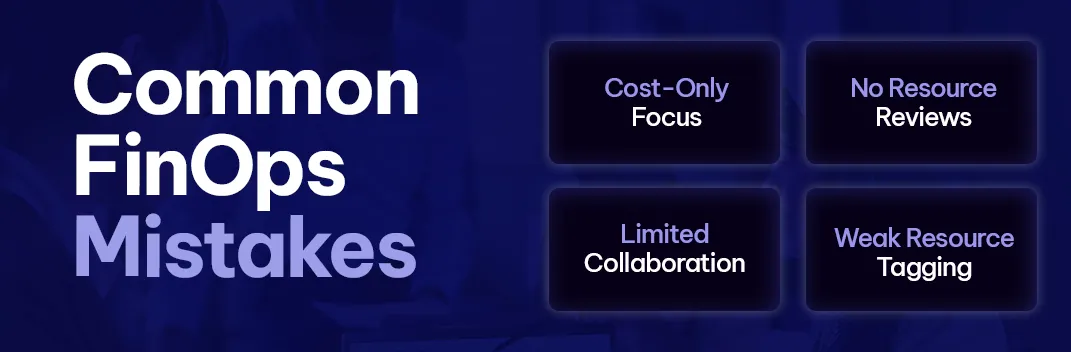
Focusing Only on Cost Reduction
FinOps is about maximising business value, not simply spending less.
Investments that improve productivity or resilience often justify higher operational costs.
-
Ignoring Resource Reviews
Cloud environments change continuously.
Regular optimisation should become part of ongoing operational processes rather than a once-a-year exercise.
-
Limited Collaboration
Finance teams, IT departments, and business leaders should work together when making cloud investment decisions.
Better collaboration leads to more informed budgeting and technology planning.
-
Poor Resource Tagging
Without consistent tagging standards, organisations struggle to understand where cloud costs originate.
Good tagging improves reporting, accountability, and cost allocation.

Microsoft 365 Security for Healthcare Providers: Protecting Patient Data and Business Operations
Building a Practical FinOps Strategy
SMBs do not need a dedicated FinOps team to improve cloud financial management.
A practical strategy may include:
- Reviewing cloud spending monthly
- Implementing resource tagging standards
- Establishing cloud budgets
- Optimising underutilised resources
- Monitoring workload growth
- Reviewing licensing opportunities
- Aligning cloud investments with business priorities
These small improvements can generate meaningful savings while supporting future expansion.
Why Chose Exigo Tech as Your Managed Intelligence Partner
At Exigo Tech, we help organisations maximise the value of their cloud investments through practical governance and optimisation strategies.
As your Managed Intelligence Partner, we provide:
- Cloud cost optimisation assessments
- Microsoft Azure consulting
- Cloud governance frameworks
- Azure Landing Zone implementation
- Microsoft licensing optimisation
- Cloud migration planning
- Managed cloud services
- Ongoing cloud monitoring and optimisation
Our approach ensures organisations balance cost, performance, security, and scalability as their cloud environments evolve.
Table of Contents
Tags
Related Articles

How to Secure Microsoft Copilot Agents with Microsoft 365 E5

Cloud Cost Optimisation: How Businesses Can Reduce Azure Spending Without Slowing Growth
Azure Backup vs Traditional Backup: Which Is Right for Businesses?

Let's Talk About Your IT Challenges
Book a free consultation with our experts today. We'll analyze your current infrastructure and provide actionable recommendations.