- Technologies
- Dynamics 365 Business Central Workshop
- Dynamics 365 Supply Chain Management Workshop
- Dynamics 365 Finance Readiness Assessment
- Dynamics 365
- Customer Data Platform
- Dynamics 365 Sales
- Dynamics 365 Service
- Dynamics 365 Marketing
- Dynamics 365 Supply Chain Management
- Dynamics 365 Business Central
- Dynamics 365 Finance
- Dynamics 365 Project Management
- Modern Application Development
- Dynamics 365 for Sales Workshop
- Innovation
- Contact us
Salesforce Ransom and the Brave New World of Cybersecurity
 Ben Opit
Business Transformation Lead - MS Biz App and AI • Oct 9, 2025 • 3 min read
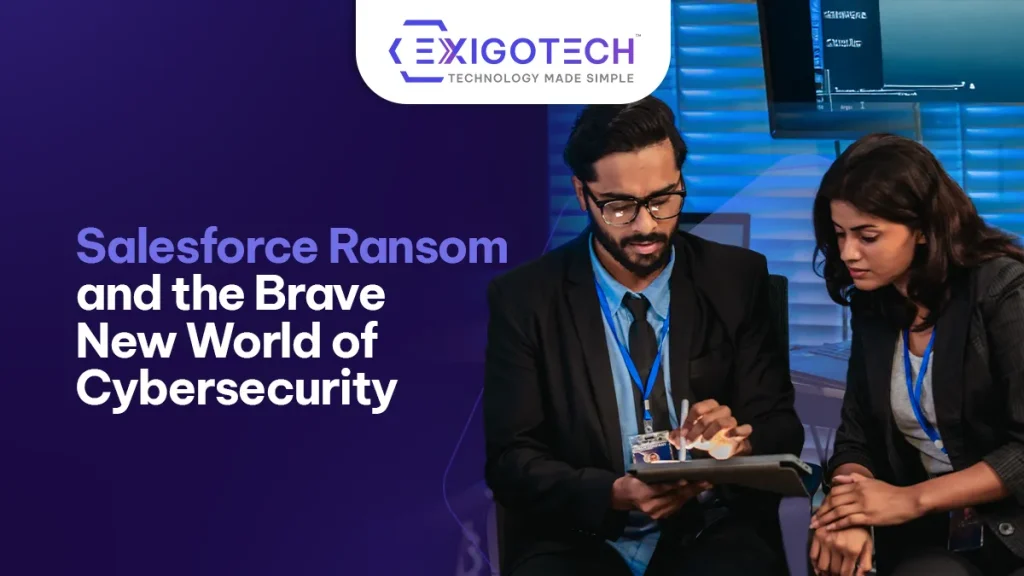
The recent ransomware campaign targeting Salesforce customer environments has sent shockwaves through the business world. It’s a chilling reminder that in today’s digital landscape, no cloud is immune and your choice on business systems is critical!
We’ve entered a brave new world—one where cybercriminals don’t need to break into buildings or crack safes. They can rob you from the comfort of their homes, targeting a single vendor and impacting millions. The old cops-and-robbers narrative has evolved. Today’s heists happen in cyberspace, and the consequences are far more widespread.

How to Secure Microsoft Copilot Agents with Microsoft 365 E5
Salesforce: The Bank Under Siege
Imagine Salesforce as a digital bank—trusted, secure, and housing vast amounts of valuable data. But in this case, the attackers didn’t breach the vault. They went after the safety deposit boxes—the individual customer instances integrated with Salesforce.
A coalition of cybercriminals, including members of Scattered Spider, ShinyHunters, and Lapsus$, claims to have stolen nearly 1 billion records from 39 companies’ Salesforce environments. These breaches were made possible through compromised third-party integrations and social engineering—not through Salesforce’s core infrastructure.
Now, the attackers are demanding ransom not from the 39 companies, but from Salesforce itself, threatening to release all stolen data unless the tech giant pays up. Salesforce has refused, stating: “Salesforce will not engage, negotiate with, or pay any extortion demand.”
Qantas: One of Many Safety Deposit Boxes Breached
Among the affected companies is Qantas, where the breach exposed personal data of 5.7 million customers—including names, contact details, dates of birth, and frequent flyer numbers. The data was accessed via a compromised third-party system linked to a Salesforce integration used by a Manila-based call centre.
Qantas has since obtained a Supreme Court injunction to prevent the publication of the stolen data, but the damage is already rippling through its customer base.

Agentic AI for Operations Leaders: Turning AI into Action
Why Trust Isn’t Enough
These incidents underscore a critical truth: cloud platforms are only as secure as their configurations and integrations. While Salesforce maintains enterprise-grade security, the breach occurred through OAuth tokens and third-party apps—not through Salesforce’s core infrastructure.
This is the reality of today’s cyber landscape:
- Attackers target one vendor to impact hundreds of clients
- They exploit human error and integration gaps, not just software vulnerabilities
- They use extortion and public pressure instead of traditional ransomware encryption
The Time to Act Is Now
Security is no longer just an IT concern—it’s a business imperative. Organizations must:
- Audit and secure third-party integrations
- Implement robust identity and access controls
- Educate staff on social engineering threats
- Monitor for suspicious activity across cloud platforms

Microsoft 365 Security for Healthcare Providers: Protecting Patient Data and Business Operations
Join Us on October 28 – Secure Your ERP Systems
I’ll be hosting a webinar with Exigo Tech on October 28, where our security experts will lead a focused session on how to safeguard your ERP systems and sensitive information using the latest in Microsoft security technology and Exigo Tech Protect.

We’ll cover:
- The latest threats facing ERP and cloud systems
- Practical steps to strengthen your security posture
- How Exigo Tech Protect can help you stay ahead of cybercriminals
The digital frontier is under siege. Join us and learn how to defend it.
References
- SecurityWeek: Hackers Extorting Salesforce After Stealing Data From Dozens of Customers: https://www.securityweek.com/hackers-extorting-salesforce-after-stealing-data
- MSN Australia: Qantas facing countdown as hackers threaten 5.7 million customers: https://www.msn.com/en-au/news/australia/qantas-facing-countdown-as-hackers-threaten-5-7-million-customers
- Salesforce Statement: Salesforce will not engage, negotiate with, or pay any extortion demand: https://www.salesforce.com/news
Table of Contents
Tags
Related Articles

Microsoft 365 Security for Healthcare Providers: Protecting Patient Data and Business Operations

Managed Power Platform and Dynamics 365 Support Services: Keeping Business Applications Reliable

Endpoint Security for SMBs: Protecting Devices, Users and Business Data

Let's Talk About Your IT Challenges
Book a free consultation with our experts today. We'll analyze your current infrastructure and provide actionable recommendations.