- Technologies
- Dynamics 365 Business Central Workshop
- Dynamics 365 Supply Chain Management Workshop
- Dynamics 365 Finance Readiness Assessment
- Dynamics 365
- Customer Data Platform
- Dynamics 365 Sales
- Dynamics 365 Service
- Dynamics 365 Marketing
- Dynamics 365 Supply Chain Management
- Dynamics 365 Business Central
- Dynamics 365 Finance
- Dynamics 365 Project Management
- Modern Application Development
- Dynamics 365 for Sales Workshop
- Innovation
- Contact us
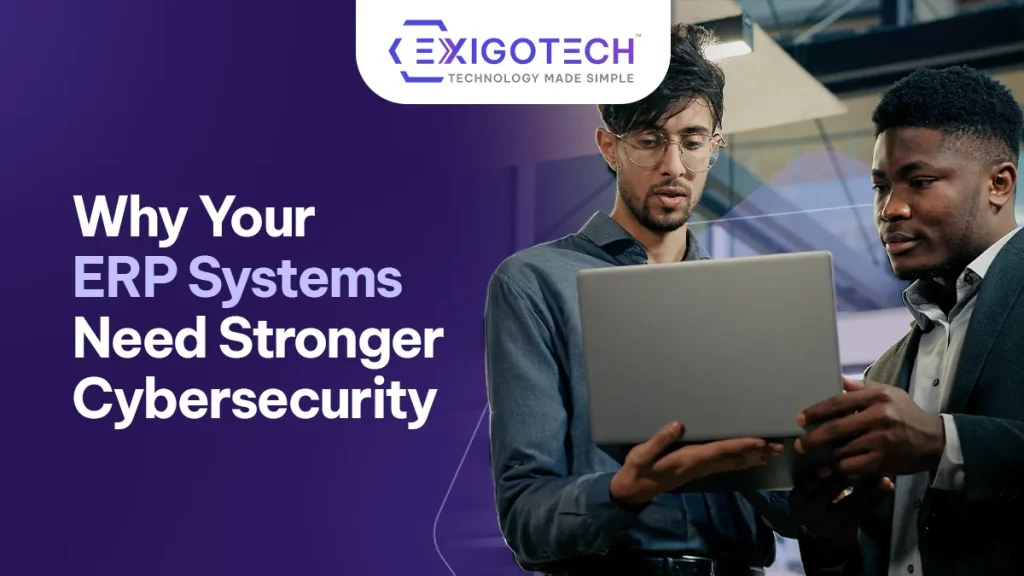
Why Your ERP Systems Need Stronger Cybersecurity
 Ben Opit
Business Transformation Lead - MS Biz App and AI • Oct 13, 2025 • 4 min read
Enterprise Resource Planning (ERP) systems are the backbone of most organisations today. They manage finance, supply chain, HR, procurement, customer data, and more. That means they manage everything that keeps a business running smoothly.
Because they hold so much important information, ERP systems have become a major target for cyberattacks. Yet, many businesses still overlook how vulnerable these systems can be.
Why ERP Systems Are at Risk

ERP platforms hold sensitive and business-critical information, from payroll data and supplier contracts to customer details and financial records. This makes them a goldmine for attackers.
At the same time, ERP systems are becoming more complex. As businesses move to hybrid and multi-cloud environments, ERP systems are increasingly connected with other tools, apps, and services. This added flexibility helps businesses work faster, but it also increases the attack possibility.
Common risks include:
- Outdated software: Legacy ERP systems often run on old versions that are no longer patched or supported.
- Misconfigured settings: A small mistake in access controls or permissions can open the door to unauthorised users.
- Remote access: With more people working remotely, unsecured logins and weak passwords create new entry points for attackers.
Even well-protected networks can become vulnerable when visibility is limited or when multiple platforms are not properly monitored together.
How to Secure Microsoft Copilot Agents with Microsoft 365 E5
Common Security Gaps

Many businesses assume that because their ERP systems are hosted in the cloud or sit behind a firewall, they are automatically safe. Unfortunately, that’s not the case.
ERP systems often have security gaps that go unnoticed, such as:
- Overprivileged users: Employees may have more access rights than they need, creating risks of accidental or intentional data leaks.
- Limited visibility: Without proper monitoring tools, unusual or suspicious activity can remain undetected.
- Third-party integrations: APIs and plug-ins that connect ERP systems with other apps can introduce vulnerabilities if not properly secured.
- Inconsistent compliance controls: Many ERP systems don’t have built-in tools to enforce data protection regulations like ISO27001 or GDPR.
These hidden weaknesses create opportunities for attackers and can cause major damage if not addressed early.
Internal Threats Matter Too

While cyberattacks from outside often get the most attention, threats can also come from within. Internal risks, whether intentional or accidental, are becoming more common.
For example:
- An employee with excessive access may download confidential reports without realising the security impact.
- Someone may reuse weak passwords across systems, giving attackers an easy way in.
- Departing staff might retain login credentials that are never deactivated.
These types of issues don’t always come from bad intentions. Often, they happen because of a lack of visibility or control. But the result can be the same: sensitive business data being exposed or misused.
Agentic AI for Operations Leaders: Turning AI into Action
The Impact of a Breach

A security breach in an ERP system affects far more than just IT. It can disrupt finance, HR, supply chains, and customer service all at once.
The direct impact can include financial losses, downtime, and lost productivity. But the indirect costs can be even higher, including damage to brand reputation, loss of customer trust, and potential legal or regulatory penalties.
Regulations such as GDPR, ISO27001, and industry-specific standards continue to tighten, meaning businesses must prove they are protecting sensitive data. Failure to do so can lead to fines and lasting reputational damage.
How to Strengthen ERP Security
Protecting ERP systems requires more than just antivirus software or firewalls. You need a layered security approach that provides visibility, protection, and compliance.
By combining Microsoft 365 E5 Security, Dynamics 365, and Exigo Tech Protect, organisations can:
- Control who can access what information.
- Detect unusual activity in real time.
- Prevent data loss and protect sensitive files.
- Meet compliance standards automatically.
- Respond quickly to potential threats.
Together, these tools help build a strong defence for your most important business systems and data.
Microsoft 365 Security for Healthcare Providers: Protecting Patient Data and Business Operations
A Smarter, Safer Future for ERP
ERP systems are critical to business success, but their security can no longer be an afterthought. As cyber threats evolve and regulations tighten, every organisation needs to ensure its ERP platforms are protected, monitored, and compliant.
By adopting a layered, integrated approach to security, you can not only reduce risk but also gain greater confidence in your operations, knowing that your most valuable data and systems are safe.
Watch Our On-Demand Webinar
If you missed our recent live session on ERP security, you can now watch the full webinar on demand. In this session, our experts walk through real-world examples of ERP vulnerabilities and show how Exigo Tech Protect helps businesses detect risks, strengthen defences, and ensure compliance across Microsoft 365 and Dynamics 365 environments.
Watch the Webinar Recording Below
Table of Contents
Tags
Related Articles
Microsoft 365 Security for Healthcare Providers: Protecting Patient Data and Business Operations
Managed Power Platform and Dynamics 365 Support Services: Keeping Business Applications Reliable
Endpoint Security for SMBs: Protecting Devices, Users and Business Data

Let's Talk About Your IT Challenges
Book a free consultation with our experts today. We'll analyze your current infrastructure and provide actionable recommendations.